Eight US states sue OpenAI, alleging ChatGPT harms children and deceives parents
The consumer protection claims, filed in state courts, allege the chatbot has given dangerous advice to young users. OpenAI says it has built age-specific safeguards into the product.
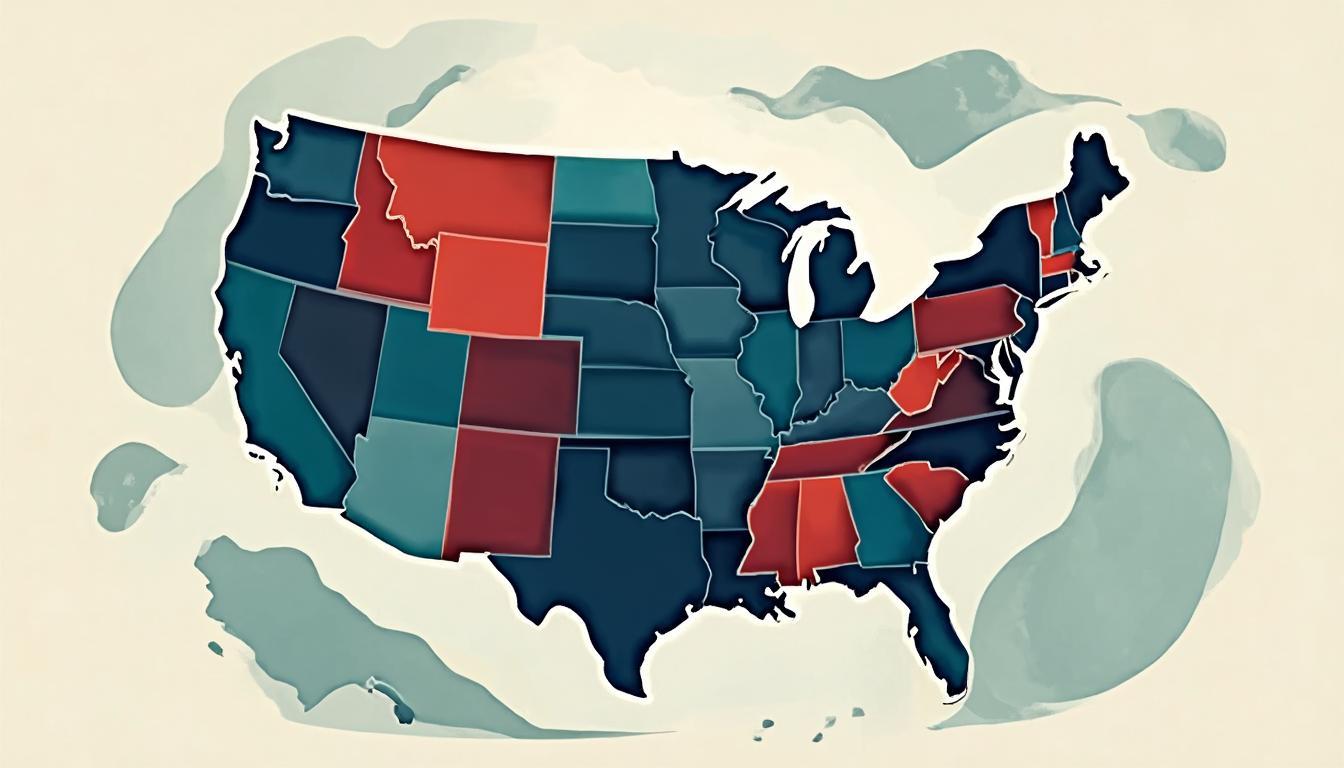
Eight US states have filed lawsuits against OpenAI alleging that its ChatGPT chatbot is an unsafe product that has harmed children and deceived parents. The actions were announced on Wednesday 14 October 2026.
Iowa, Kansas, Nebraska, West Virginia, Arkansas, Arizona, Idaho and Montana each sued the company in their own state courts, according to Iowa Attorney General Brenna Bird. The states allege the chatbot has given dangerous medical advice, encouraged users to harm others and coached users towards suicide, all while presenting itself as a friend, and that OpenAI markets ChatGPT as safe for teenagers despite these risks. The claims say this breaches state consumer fraud laws, which prohibit deceptive business practices, and the states are asking the courts to force the company to comply.
"OpenAI is hurting kids and they are lying to Iowans," Bird said in a statement, adding that her lawsuit was about protecting children and holding the company accountable under state law. She told reporters at a news conference that Iowa would not accept a big tech company making money by harming the state's children.
Kansas Attorney General Kris Kobach said the states had acted rather than wait for Congress to set federal rules. AI companies were currently asked to police themselves, he said, and the states' cases allege they had done a poor job of it and placed the public in danger.
Idaho's attorney general, Raúl Labrador, announced his state's action the same day, filed in the Fourth Judicial District Court in Ada County. His office said ChatGPT was designed to be overly agreeable and to feign human connection, and had proven dangerous to vulnerable users including children. The Idaho lawsuit also cites what officials describe as a growing body of research suggesting the chatbot may weaken critical thinking, encourage paranoia and delusions, and offer dubious medical advice.
OpenAI rejected the characterisation. "We've built industry-leading, age-specific protections into our product that many other AI products lack," spokesperson Eric Porterfield said, pointing to parental controls, break reminders and age-appropriate protections for under-18s. The company says users under 18 need a parent's or guardian's permission, and in August it launched ChatGPT for Teens, a version with additional safeguards.
The litigation follows a suit by Florida's attorney general in June, and separate wrongful death lawsuits in which ChatGPT is blamed for harmful delusions and, in some cases, suicides. In Canada, the family of a girl critically wounded in a school shooting is suing OpenAI, alleging the chatbot knew of the suspect's plans and failed to alert authorities.
Anyone affected by the issues in this article can contact Samaritans free on 116 123 or at samaritans.org.
Were you or your child affected by social media?
Check in about two minutes whether you may be able to claim. It is free, there is no obligation, and compensation is never guaranteed. Results abroad do not decide UK claims.
Check if I may be able to claim